Best Mental Stimulation Activities for Elderly
- scarlettloughridge
- Dec 3, 2025
- 3 min read
Keeping the mind active is just as important as staying physically healthy, especially as we age. Engaging in mental stimulation activities can help maintain cognitive function, improve memory, and even boost mood. I’ve found that incorporating simple, enjoyable tasks into daily routines can make a big difference. Whether you’re looking for ideas for yourself or someone you care about, this guide offers practical and fun ways to keep the brain sharp.
Why Mental Stimulation Activities Matter
Our brains need exercise just like our bodies do. When we challenge our minds, we encourage new neural connections and help slow down cognitive decline. Mental stimulation activities can:
Improve memory and concentration
Enhance problem-solving skills
Reduce feelings of boredom or isolation
Promote a sense of accomplishment and joy
The good news is that mental exercises don’t have to be complicated or time-consuming. Even small, consistent efforts can lead to noticeable benefits.

Easy and Enjoyable Mental Stimulation Activities
Here are some activities that are both accessible and effective for mental stimulation:
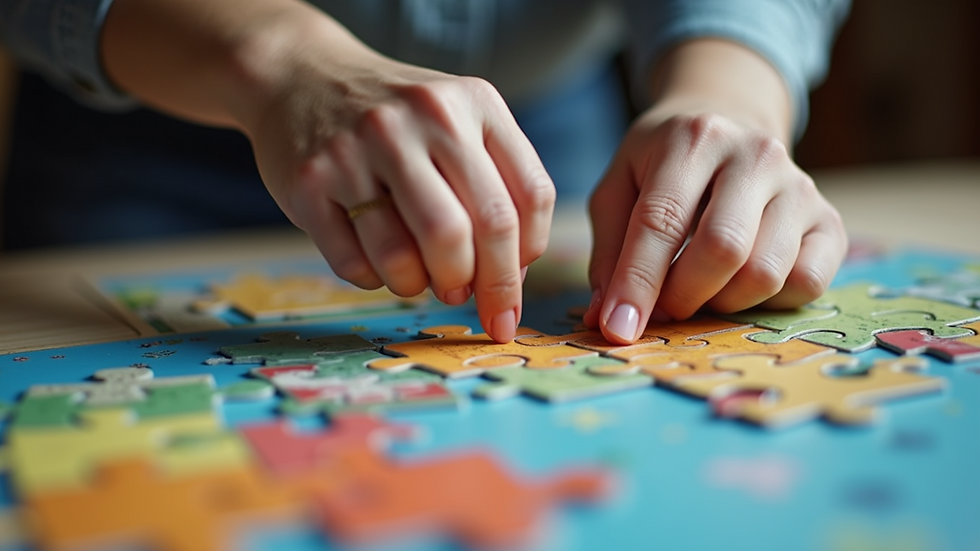
1. Puzzles and Brain Games
Puzzles like crosswords, Sudoku, and word searches are excellent for keeping the mind active. They challenge your logic, vocabulary, and pattern recognition. Sudoku, in particular, is a favourite because it’s simple to learn but offers endless variations to keep things interesting.
Start with easy puzzles and gradually increase difficulty.
Set aside 15-30 minutes daily for puzzle time.
Join local or online puzzle groups for social interaction.
2. Reading and Storytelling
Reading books, magazines, or newspapers stimulates imagination and comprehension. It also introduces new ideas and vocabulary. Sharing stories or discussing what you’ve read with others adds a social element that further engages the brain.
Choose topics that interest you to stay motivated.
Try reading aloud or listening to audiobooks.
Write short stories or keep a journal to practice creativity.
3. Learning New Skills
Trying something new keeps the brain flexible. This could be learning a musical instrument, a new language, or even cooking a new recipe. The process of acquiring new knowledge and skills strengthens memory and attention.
Take community classes or online courses.
Practice regularly to build confidence.
Celebrate small milestones to stay encouraged.
Social Activities That Boost Brain Power
Social interaction is a powerful form of mental stimulation. Conversations, group activities, and shared hobbies help keep the mind alert and reduce feelings of loneliness.
Join clubs or groups that focus on hobbies like gardening, knitting, or book discussions.
Volunteer in community programs to meet new people and stay active.
Use video calls to connect with family and friends regularly.
Physical Exercise and Mental Health
Physical activity supports brain health by improving blood flow and reducing stress. Activities like walking, yoga, or tai chi combine movement with mindfulness, which benefits both body and mind.
Aim for at least 30 minutes of moderate exercise most days.
Try exercises that require coordination and balance.
Practice deep breathing or meditation to enhance focus.
Incorporating Technology for Mental Stimulation
Technology offers many tools designed to support cognitive health. Apps and websites provide puzzles, memory games, and brain training exercises tailored for seniors.
Explore user-friendly apps with clear instructions.
Set daily reminders to practice mental exercises.
Use video platforms to join virtual classes or social groups.
For more ideas and resources on mental stimulation for elderly, check out dedicated websites that focus on accessible cognitive activities.
Making Mental Stimulation a Daily Habit
Consistency is key when it comes to mental exercises. Here are some tips to help make these activities part of your everyday life:
Schedule a specific time each day for brain games or reading.
Mix different types of activities to keep things fresh.
Involve family or friends to make it more enjoyable.
Keep a journal to track progress and reflect on what you enjoy most.
By making mental stimulation a regular habit, you can support long-term brain health and enjoy a richer, more fulfilling life.
I hope these ideas inspire you to explore new ways to keep your mind active and engaged. Remember, it’s never too late to start, and every small step counts toward a sharper, healthier brain.


Comments